Defend Your Home: Effective Pest Control Strategies for Homeowners
Proper pest management is crucial for homeowners looking to preserve a safe and healthy home environment. Infestations can result in notable health risks and substantial harm to your home. Grasping the significance of proactive pest management approaches is critically important. This encompasses understanding prevalent pest types and the hazards they bring. However, many homeowners remain unsure of where to start. The following discussion will outline essential steps to defend against these unwanted intruders and explore sustainable methods for long-term success.
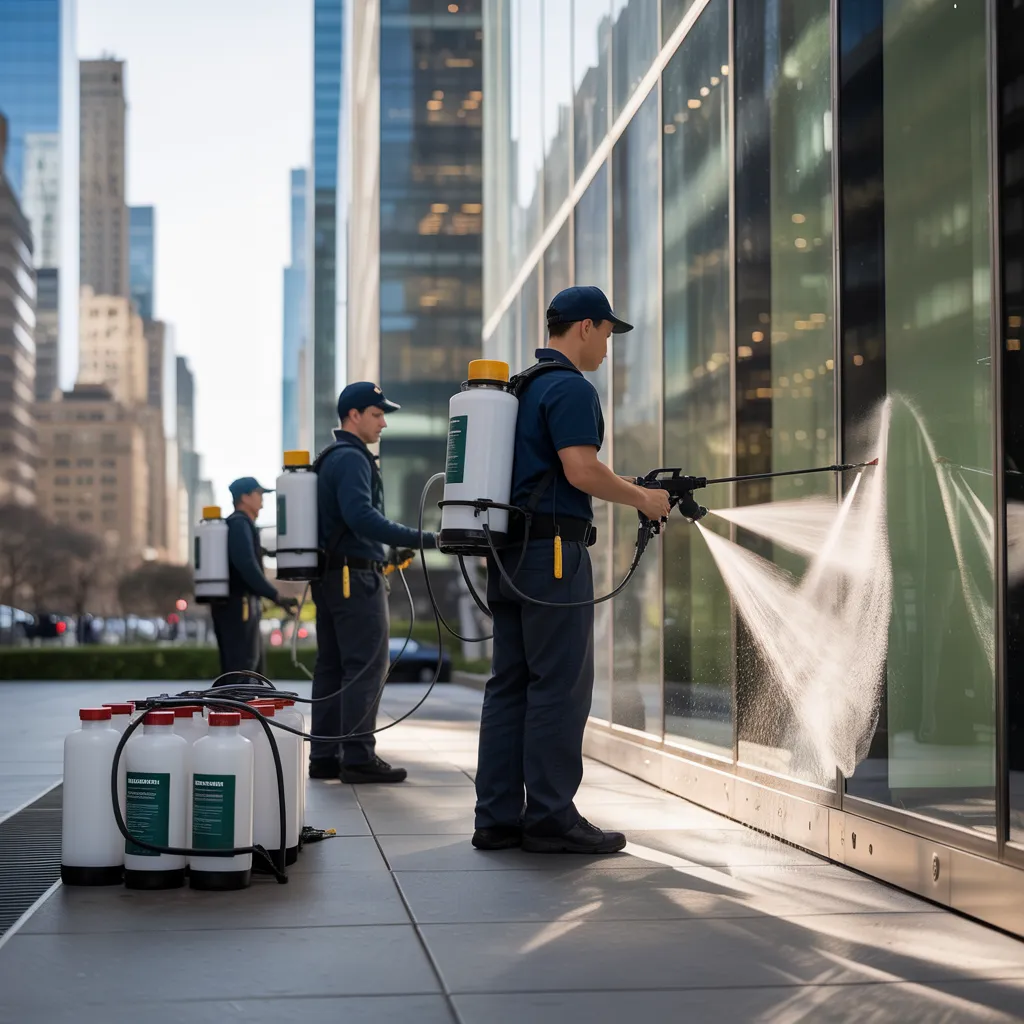
Why Pest Control in Your Home Is Essential
Effective pest control is vital for preserving a clean and healthy household. Pests such as rodents, insects, and termites can present serious risks not only to physical structures but also to the well-being of residents. Such invasive pests can contaminate food sources, spread diseases, and cause allergies. Furthermore, the destruction to property brought about by pests, most notably termites can lead to costly repairs and decreased property value.
Many homeowners tend to neglect the importance of regular pest management, thinking that infrequent encounters are not a concern. Nevertheless, timely identification and regular preventive actions can minimize the chances of widespread pest problems. An active pest control strategy provides a more secure household and contributes to a healthier lifestyle.
Moreover, pest control offers mental relief, allowing families to focus on everyday routines without the stress of possible pest problems. In the end, investing in effective pest management is fundamental for sustaining a comfortable and secure home environment.
Essential Steps to Keep Pests Out
Although pests can infiltrate any household, applying key preventive strategies greatly reduces the likelihood of pest problems. Homeowners should start by filling cracks and gaps in walls, windows, and doors, which function as entry routes for unwelcome intruders. Regularly inspecting and repairing screens can further prevent pests from gaining access.
Maintaining a clean environment is vital; food should be stored in airtight containers and spills promptly cleaned. In addition, homeowners are advised to oversee their outdoor spaces by pruning vegetation and ensuring gutters remain unobstructed to reduce potential nesting areas.
Appropriate waste management, using tight-fitting lids on garbage cans, also helps limit attractants. It is also advisable to store firewood away from the home, as it may attract and shelter pests. Lastly, routine evaluations by pest management experts can identify vulnerabilities and provide tailored solutions, ensuring a proactive approach to pest prevention.
Everyday Home Pests and Their Potential Threats
Prevalent domestic pests, such as rodents, termites, and cockroaches, pose significant health risks and can result in considerable property damage. Such pests not only spread harmful diseases but also threaten the structural stability of homes. Homeowners need to recognize the significant threats associated with these unwanted pests to properly address their existence.
Common Types Of Pests
Understanding the numerous types of common pests is essential for homeowners aiming to preserve a healthy and secure living environment. Among the most prevalent pests are ants, which can infiltrate kitchens in pursuit of food, and cockroaches, known for their resilience and rapid reproduction. Termites pose a significant threat to wooden structures, often going unnoticed until extensive damage has been done. Rodents, such as mice and rats, not only spoil food supplies but can also gnaw on electrical wires, leading to dangerous fire risks. Additionally, spiders, while often harmless, can be unsettling and some species carry venom. Lastly, bed bugs have developed a reputation for invading bedrooms and sleeping spaces, causing unease and distress. Detecting these unwanted guests is the primary action in effective pest management.
Health Hazards Presented
Common household pests present serious health hazards, frequently causing numerous illnesses and allergic reactions. Rodents, as a prime example, may carry and transmit hantavirus and leptospirosis through their waste and urine, presenting grave dangers, particularly to young children and older adults. Cockroaches are notorious for triggering asthma and allergic reactions due to their droppings and body parts. In addition, mosquitoes act as transmitters of diseases including West Nile virus and Zika, rendering their presence a serious public health threat. Ants may also cause issues, since particular species are capable of contaminating food supplies and introducing harmful bacteria. While termites are most commonly associated with property destruction, inhaling their droppings can aggravate respiratory problems. Being aware of these health dangers is crucial for homeowners striving to sustain a secure and healthy living space.
Property Damage Issues
Pests not only pose health risks but also threaten the structural integrity of homes. Frequently encountered household pests, including termites, rodents, and carpenter ants, are capable of inflicting widespread damage when left unaddressed. As a prime example, termites devour wood and can undermine structural support beams, causing significant financial burden in repairs. Mice and rats are known to chew through electrical wiring, posing serious fire risks while also deteriorating walls and insulation. Carpenter ants excavate wood for nesting, which can weaken structures consult now over time. Additionally, moisture-loving pests like cockroaches can contribute to mold growth, exacerbating structural issues. Property owners need to acknowledge the dangers posed by these pests and adopt reliable pest management measures to protect their homes from harm, maintaining a safe and comfortable living space.
Effective DIY Techniques and When to Seek Help?
Homeowners can tackle a wide range of pest concerns through proven DIY approaches that make use of commonly accessible materials and strategies. Basic remedies like sealing gaps, applying essential oils, or setting traps can significantly decrease pest populations. For instance, a mixture of vinegar and water can discourage ants from entering, whereas diatomaceous earth can be distributed in areas where insects are prevalent.
Even so, there are situations when DIY solutions may prove insufficient. If infestations grow severe or if pests such as termites and rodents pose a threat to your home's structure, consulting a professional becomes essential. Furthermore, some pests may require specialized treatments that are impractical for the average household to manage on their own. Understanding the boundaries of DIY pest control is essential; taking proactive steps can conserve both time and resources. In the end, a balanced approach, combining effective DIY strategies with professional intervention when necessary, will secure a home free from pests.
Environmentally Friendly Pest Management Strategies
For homeowners interested in green alternatives, eco-friendly pest control strategies serve as powerful substitutes for standard chemical treatments. Residents may make use of organic deterrents including essential oils, white vinegar, and diatomaceous earth to deter pests without harmful chemicals. These substances can disrupt pest habits and establish conditions that discourage pest activity.
In addition, introducing natural predators, including ladybugs and lacewings, can effectively manage harmful pest populations in a natural way. Planting pest-repelling flora, such as lavender or marigolds, also improves the garden's natural protection as well as encouraging a diverse ecosystem.
Consistent preventive habits, including blocking potential entry spots and keeping living spaces clean, can significantly minimize pest attraction. By adopting these eco-friendly strategies, property owners simultaneously defend their homes and promote environmental well-being. Such practices nurture a well-balanced ecological system, ensuring that pest management does not come at the expense of the planet.
Ways to Keep Your Home Free of Pests All Year Long
In order to sustain a pest-free household year-round, homeowners should implement seasonal prevention strategies tailored to specific pests. Routine preventive measures, including closing off access points and maintaining tidy living spaces, serve a critical function in preventing pest infestations. Through the integration of these methods, homeowners can establish a reliable defense against intrusive pests.
Seasonal Tips for Preventing Pests
Although pests can enter homes at any point, seasonal changes often trigger their activity, which makes it crucial for residents to apply consistent pest control strategies across all seasons. During spring, residents should prioritize closing gaps and openings, because bugs start to reappear after their winter rest. Summer brings an increase in ants and mosquitoes; thus, routine yard care, including pruning greenery, becomes essential. As autumn sets in, mice and rats look for protected spaces, which means homeowners should examine potential entry gaps near doors and windows. The winter months demand careful attention to warmth-seeking pests; sealing pipes and storing firewood at a distance from the house can help prevent pest problems. By adapting prevention methods to the seasons, residents can significantly lower the chances of pest issues all year long.
Regular Maintenance Practices
Regular maintenance habits are crucial for homeowners looking to maintain pest-free living spaces all year long. Regular inspections of the home's exterior can identify potential entry points, such as cracks or gaps in doors and windows. Filling these cracks lowers the probability of pests making their way inside. Additionally, homeowners should maintain cleanliness by promptly addressing spills and storing food in airtight containers. Routine yard maintenance, including trimming shrubs and removing debris, also minimizes pest habitats. Consistently inspecting and clearing gutters stops water from pooling, which can draw in unwanted insects. Ultimately, booking professional pest control assessments enables early discovery of concerns, promoting a preventive approach to managing pests. Combined, these approaches work to establish a healthier, pest-resistant household environment.
Questions We Often Receive
What Are the Signs of a Pest Infestation in My Home?
To spot a pest infestation, one should watch for indicators such as gnaw marks, droppings, nests, or visible insects. Unexplained damage or strange noises can also be signs of a pest problem in the home.
Are There Specific Pests That Are Seasonal?
Indeed, particular insects and pests are tied to specific seasons. For example, ants and termites commonly become active in spring, while rodent populations may seek shelter in autumn. Knowledge of these cycles allows homeowners to establish and carry out effective pest control measures throughout the year.
What Are the Signs of a Termite Problem?
Symptoms of a termite infestation include mud tubes on walls, hollow-sounding wood, abandoned wings, and frass resembling sawdust. Homeowners should examine these signs without delay to prevent extensive damage to their property.
How Often Should I Inspect My Home for Pests?
Homeowners should examine their homes for infestations at least quarterly. Regular inspections help identify potential pest issues early, enabling prompt intervention. Changes in weather patterns may also affect pest activity, requiring heightened awareness during warmer months.
Can Pets Invite Unwanted Pests Indoors?
Pets are known to attract pests into a household. Their fur, waste, and food remnants provide ideal conditions for insects and rodents, making routine grooming and sanitation crucial to reducing pest problems linked to owning pets.